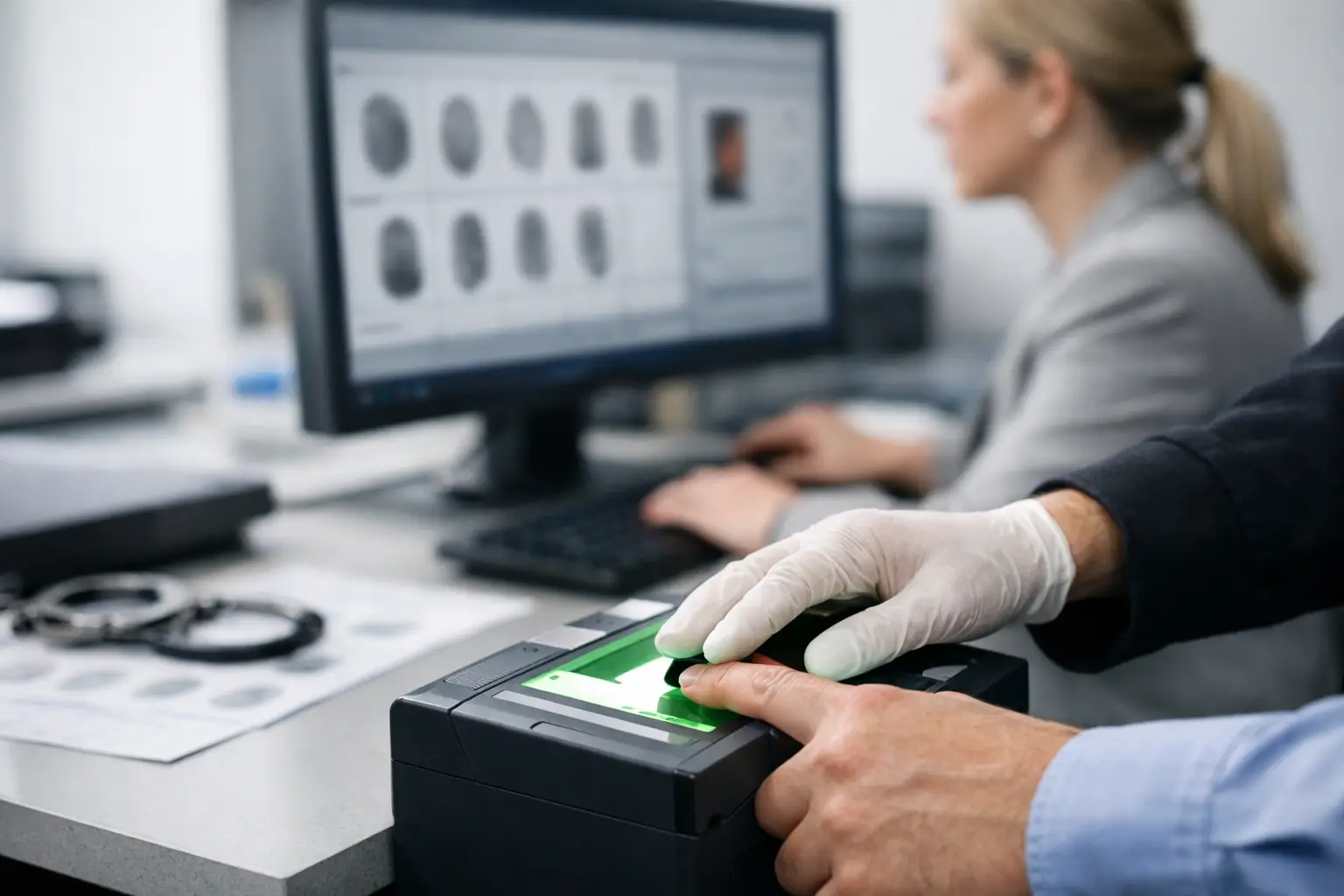
NC License Fingerprinting Steps Made Clear
Your real estate career should not stall because of one missed administrative step. The NC license fingerprinting steps are a required part of the North Carolina real estate license application process, but they are manageable when you understand the timing, the purpose of the criminal record report, and what happens after your appointment.
For future brokers balancing work, military moves, family responsibilities, or a career change, the goal is simple: complete this requirement accurately, keep your application moving, and stay focused on passing the state exam. Fingerprinting is not the hard part. Waiting too long, using outdated instructions, or assuming your prints automatically complete every application requirement is where avoidable delays can happen.
Why Fingerprinting Is Required for an NC Real Estate License
The North Carolina Real Estate Commission uses fingerprint-based criminal record reports as part of its review of license applicants. This review helps the Commission determine whether an applicant meets the character requirements for licensure.
A criminal history does not automatically mean your real estate goals are over. The Commission looks at the circumstances, including the nature of an offense, how long ago it occurred, whether it relates to honesty or trustworthiness, and evidence of rehabilitation. What matters is being truthful and complete throughout the application process. Trying to hide information can create a much bigger problem than the underlying issue.
Your fingerprint appointment creates the information needed for the criminal record check. It is a compliance step, not a test of whether you will become a strong agent. Treat it with the same care you bring to your pre-licensing coursework: follow directions, meet the deadline, and keep records of what you complete.
NC License Fingerprinting Steps, in Order
The Commission's current application instructions should always control, since vendors, forms, fees, and appointment procedures can change. In general, applicants should begin with the online North Carolina real estate license application and then follow the Commission's directions for obtaining the required criminal record report and submitting electronic fingerprints.
1. Start your license application first
Begin the application process through the North Carolina Real Estate Commission before making assumptions about where or when to be fingerprinted. The application process provides the current instructions tied to your license file, including the approved criminal record check process.
This sequence matters. A fingerprint receipt by itself does not replace your license application, your required education, or your examination requirements. Think of it as one connected piece of your path to licensure.
2. Review the current fingerprint and criminal record instructions
Read every instruction before scheduling an appointment. Confirm which approved provider or Live Scan location you should use, how payment works, and whether you need a registration number, confirmation page, or other identifying information at the appointment.
Do not rely on a friend’s experience from several years ago or on a general fingerprinting service that may not be approved for the Commission’s required report. The right location is the one identified in the current instructions for North Carolina real estate applicants.
3. Schedule your electronic fingerprint appointment
Most applicants complete fingerprinting through an electronic Live Scan appointment. Choose a time that gives you room to correct an issue if an appointment is rescheduled or fingerprints need to be recaptured.
Avoid doing it excessively early. Criminal record reports are time-sensitive, and reports that are too old may not satisfy the Commission’s requirements when your application is reviewed. At the same time, do not wait until the last possible day. A practical approach is to schedule promptly once you are eligible and have the correct instructions in hand.
4. Bring the required identification and confirmation details
Bring a valid, government-issued photo ID that matches the name used on your application. If the fingerprint provider has sent an appointment confirmation, registration code, or instructions, have those available as well.
Your preparation checklist should include these four items:
- A valid government-issued photo ID
- Your appointment confirmation or registration details
- The payment method required by the provider, if applicable
- Any name, address, or application information requested in the Commission’s instructions
If your legal name differs from the name on older records, be prepared to provide accurate information about former names or aliases when requested. Consistency helps prevent your report from being delayed or mismatched with your application.
5. Complete the Live Scan appointment carefully
At the appointment, the technician captures your fingerprints electronically and submits them through the required process. Follow the technician’s directions and verify that your personal information is entered correctly before you leave.
Keep your receipt or confirmation. It may be useful if you need to verify the appointment date or follow up on a processing question. A receipt is proof that you completed the appointment, but it does not necessarily mean the Commission has already received or reviewed the final criminal record report.
6. Watch for follow-up requests
The fingerprint-based report is generally transmitted through the approved process, but processing time can vary. Monitor the email address associated with your application, including spam and junk folders, for any request for clarification or additional documentation.
If the Commission asks for an explanation, court record, disposition, or other information, respond fully and by the requested deadline. This is not the moment to guess or send partial information. Clear, organized documentation can help the review move forward.
Timing Your Fingerprints Around School and the Exam
For many students, the smartest time to handle fingerprinting is during the broader application and exam-preparation period, not after every other requirement is complete. That gives the criminal record check time to process while you are studying, preparing your test schedule, or wrapping up your 75-hour pre-licensing course.
The exact timing depends on your situation. If you are ready to apply and take the exam soon, schedule promptly after reviewing the current requirements. If you have not yet completed your pre-licensing education or are still far from applying, wait until you can reasonably move forward within the report’s valid timeframe.
This is especially relevant for military spouses, parents, and working adults whose schedules can change quickly. Build a little margin into your plan. One cancelled appointment should not force you to postpone an exam date or delay your career transition.
Common Fingerprinting Mistakes That Slow Applicants Down
The most common mistake is treating fingerprinting as a separate errand instead of part of the full license application. Applicants may get prints at an unapproved location, use the wrong registration information, or assume a general background check satisfies the Commission requirement. It may not.
Another issue is waiting until the report is close to expiration. If your report is no longer within the accepted timeframe, you may need to complete the process again. Save money and frustration by coordinating your application, exam preparation, and fingerprinting plan from the beginning.
Name discrepancies can also create trouble. Use your legal name consistently, and disclose requested prior names accurately. If you have documents showing a name change, keep them organized in case they are needed.
Finally, do not ignore a request for additional records because you feel embarrassed or uncertain. Many successful professionals have had to provide context for a prior issue. A prompt, honest response shows the professionalism real estate clients and regulators expect.
If You Have a Criminal History
A past charge, conviction, or other history is a reason to prepare carefully, not a reason to abandon your plan without getting the facts. The Commission evaluates each applicant individually. The details matter, and the review can take longer when additional documents are needed.
Answer application questions honestly. Gather certified dispositions, proof of completed requirements, and any documents that explain the final outcome of a case if the Commission requests them. Avoid offering legal conclusions or minimizing facts. State what happened clearly, provide the requested records, and let the Commission conduct its review.
If you are unsure how to answer a legal-history question, consider seeking qualified legal guidance before submitting your application. Your education provider can support your licensing plan and exam readiness, but it cannot decide eligibility or provide legal advice.
Keep Your Career Plan Moving Forward
Fingerprinting is one administrative checkpoint on the road to becoming a North Carolina broker. Your bigger opportunity is building the knowledge, confidence, and local perspective to serve clients well once your license is active.
At Fayetteville Real Estate School, students can pair a clear licensing plan with flexible instruction designed for real life. Complete the required steps with care, keep your documents organized, and use the time you save to prepare for the exam and the career waiting on the other side.
